The Upgrade Dilemma in 2026
Every year, smartphone brands like Apple, Samsung, and Google launch new premium devices that promise faster chips, better cameras, and smarter AI features. Yet one question continues to dominate search trends: are flagship phones still worth it?
With mid-range devices becoming increasingly powerful, many users are delaying upgrades or skipping expensive models altogether. At the same time, premium smartphones like the iPhone 15 Pro or Samsung Galaxy S24 Ultra continue to push boundaries in performance, photography, and long-term software support.
This guide breaks down whether upgrading to high-end smartphones in 2026 makes sense, who should consider it, and when it actually provides real value.
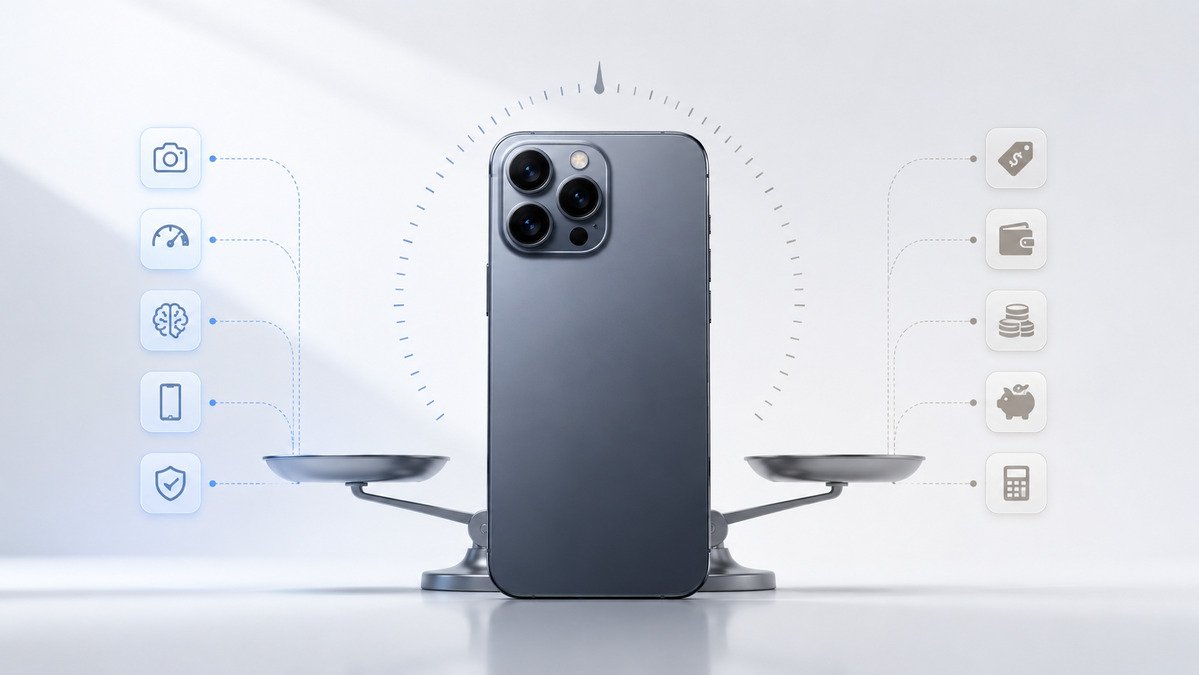
What Defines Modern Flagship Phones?
Today’s premium smartphones are no longer defined only by speed. They represent the highest level of mobile innovation.
They typically include:
- Top-tier processors like Snapdragon 8 series
- Premium materials such as titanium and ceramic
- Advanced multi-lens camera systems
- AI-based software enhancements
- Long software support (5–7 years)
Devices like the Google Pixel 8 Pro emphasize computational photography, while Samsung focuses on display quality and zoom performance.
In short, modern premium smartphones aim to deliver the best mobile experience available at launch.
Why High-End Phones Still Stand Out
Even with strong competition from mid-range devices, premium models still lead in key areas.
1. Performance Longevity
High-end processors ensure devices remain fast for years.
Benefits include:
- Smooth gaming performance
- Faster app loading
- Better multitasking
- Longer lifespan
This is why premium models often feel fast even after several years of use.
2. Camera Quality
One of the biggest reasons users choose expensive smartphones is photography performance.
They offer:
- Larger sensors for low light
- Optical zoom systems
- AI-enhanced image processing
- Professional video recording tools
For creators, these devices can often replace basic cameras.
3. AI Features
Modern smartphones increasingly rely on artificial intelligence:
- Real-time translation
- Smart editing tools
- Adaptive battery optimization
- Voice assistants with context awareness
These features are more advanced in premium devices compared to budget phones.
4. Software Updates
High-end models typically receive:
- Long-term OS updates
- Security patches
- Feature improvements over time
This increases long-term value significantly.
When Premium Phones Are NOT Worth It
Not every user benefits from expensive smartphones.
Basic Usage Users
If your usage includes:
- Social media
- Messaging
- Streaming
- Browsing
Then mid-range devices already perform very well.
Cost vs Value
In many cases, cheaper phones deliver most daily features at a fraction of the price.
Incremental Upgrades
Modern releases often bring only small improvements, making yearly upgrades unnecessary.
Flagship vs Mid-Range Comparison
| Feature | Premium Phones | Mid-Range Phones |
|---|---|---|
| Performance | High-end chips | Balanced performance |
| Camera | Advanced systems | Good everyday quality |
| Build | Premium materials | Basic materials |
| Updates | Long support | Limited support |
| Price | Expensive | Affordable |
Real Use Cases
Content Creators
Used for video creation, social media, and travel photography.
Gamers
Provide stable FPS and better cooling systems.
Professionals
Offer secure authentication and multitasking efficiency.
Hidden Costs
Before upgrading, consider:
- Depreciation value drop
- Expensive repairs
- Accessories ecosystem cost
Decision Guide
- 0–2 years old device → no upgrade needed
- 3–4 years → consider upgrade
- 5+ years → upgrade recommended
Only upgrade if you truly need better performance or camera capability.
FAQs
Are flagship phones still worth it in 2026?
Yes, if you want top performance, better cameras, and long software support. Otherwise, mid-range phones are enough.
How long do flagship smartphones last?
Usually around 4–6 years with good performance.
Are flagship phones good for gaming?
Yes, they handle heavy games smoothly with stable performance.
What is the biggest downside of flagship phones?
They are expensive and lose value quickly.
Conclusion
So, are flagship phones still worth it today?
For power users, creators, and gamers, premium smartphones still offer unmatched performance and features.
However, everyday users can comfortably rely on mid-range devices without losing essential functionality.
Final takeaway:
Upgrade only if you will actually use the advanced capabilities — not just for brand value.
For more tech updates, AI insights, Reviews, and the latest trends, follow us on Instagram @sudoviews and stay ahead in the world of technology.
Also Read: What Happens If AI Goes Offline? | How Dependent Are We on Constant Connectivity